
Urban Homestead Starter Guide: Everything You Need to Begin
You don't need acres of land to start homesteading. Millions of Americans are growing food, raising chickens, and living more self-sufficiently right in their own backyards — in suburbs, small towns, and even cities. This guide will walk you through exactly what you need to get started, step by step.
Garden & Coops is a proudly American company that ships everything on this list fast and free via FedEx, so you can go from zero to homestead faster than you think.
Step 1: Start with Backyard Chickens
Chickens are the gateway animal for most urban homesteaders. They're low-maintenance, provide fresh eggs daily, and help control pests in your garden. Here's what you need:
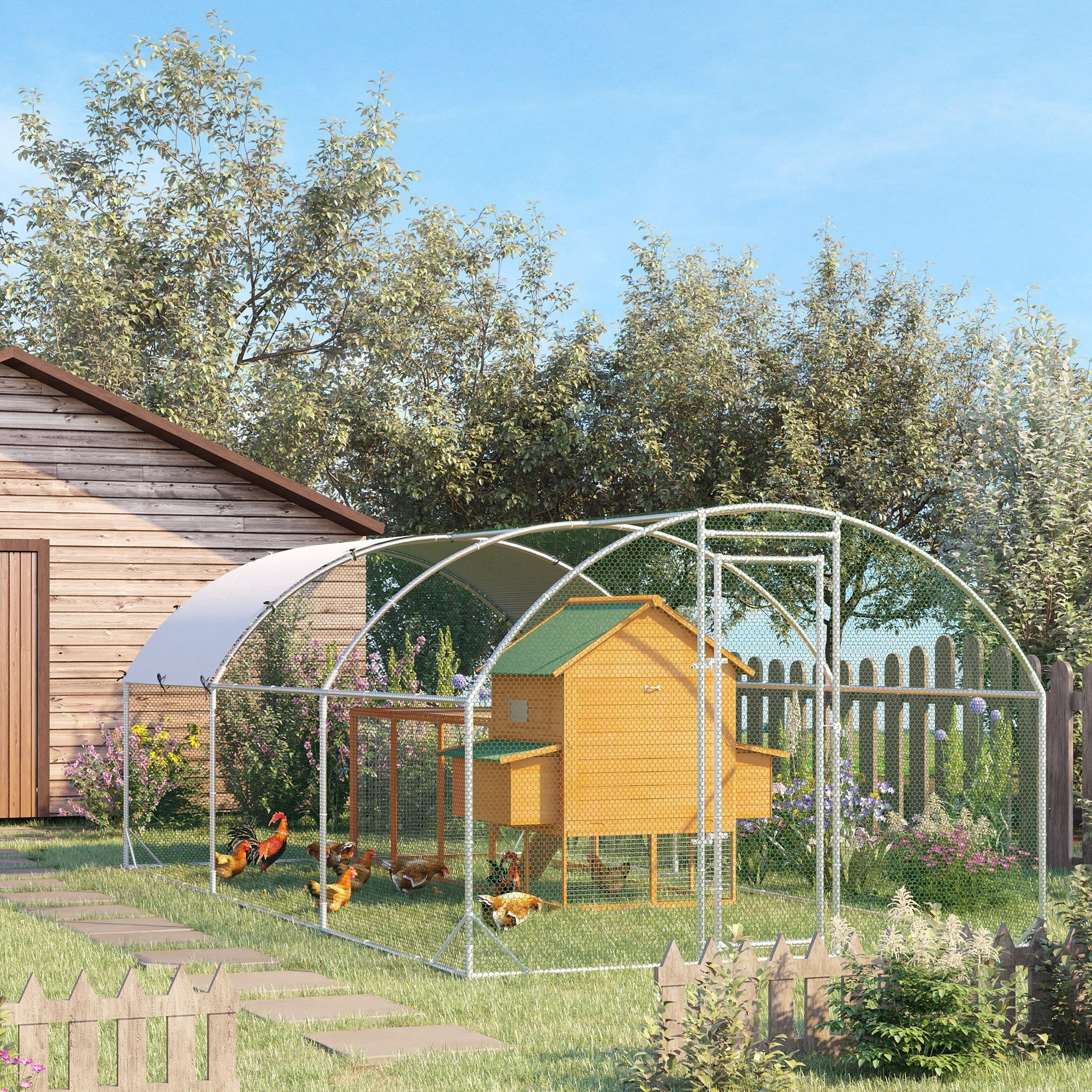
- A quality chicken coop — our Wooden Chicken Coop with Nesting Box, Double Runs & Asphalt Roof is perfect for a starter flock of 3–4 hens
- Room to grow — add the 55" Chicken Coop Expansion Run as your flock grows
- Enrichment — keep your hens happy with a Chicken Activity Swing Set with Perches & Hen Ladder
Beginner tip: Start with 3–4 hens. Breeds like Rhode Island Reds, Buff Orpingtons, and Plymouth Rocks are hardy, friendly, and great egg layers.
Step 2: Grow Your Own Food with Raised Garden Beds
Raised beds are the easiest way to start growing vegetables, herbs, and flowers at home. They warm up faster in spring, drain better than in-ground beds, and keep weeds manageable.
- For beginners: The 6-Piece Raised Garden Bed with Legs is elevated for easy access — no bending or kneeling required
- For herbs and flowers: The 39" Hexagon Screwless Planter Box assembles in minutes and looks beautiful in any yard
- For vertical growing: The 2-Tier Trellis Planter doubles as a raised bed and climbing support for beans, cucumbers, and peas
Beginner tip: Fill your raised bed with a mix of 60% topsoil, 30% compost, and 10% perlite. Start with easy crops like lettuce, radishes, herbs, and cherry tomatoes.
Step 3: Extend Your Season with a Greenhouse
A greenhouse lets you start seeds earlier in spring and keep growing later into fall — dramatically increasing your annual harvest.
- Small spaces: The 5-Tier Mini Portable Greenhouse fits on a patio or balcony and is perfect for seed starting
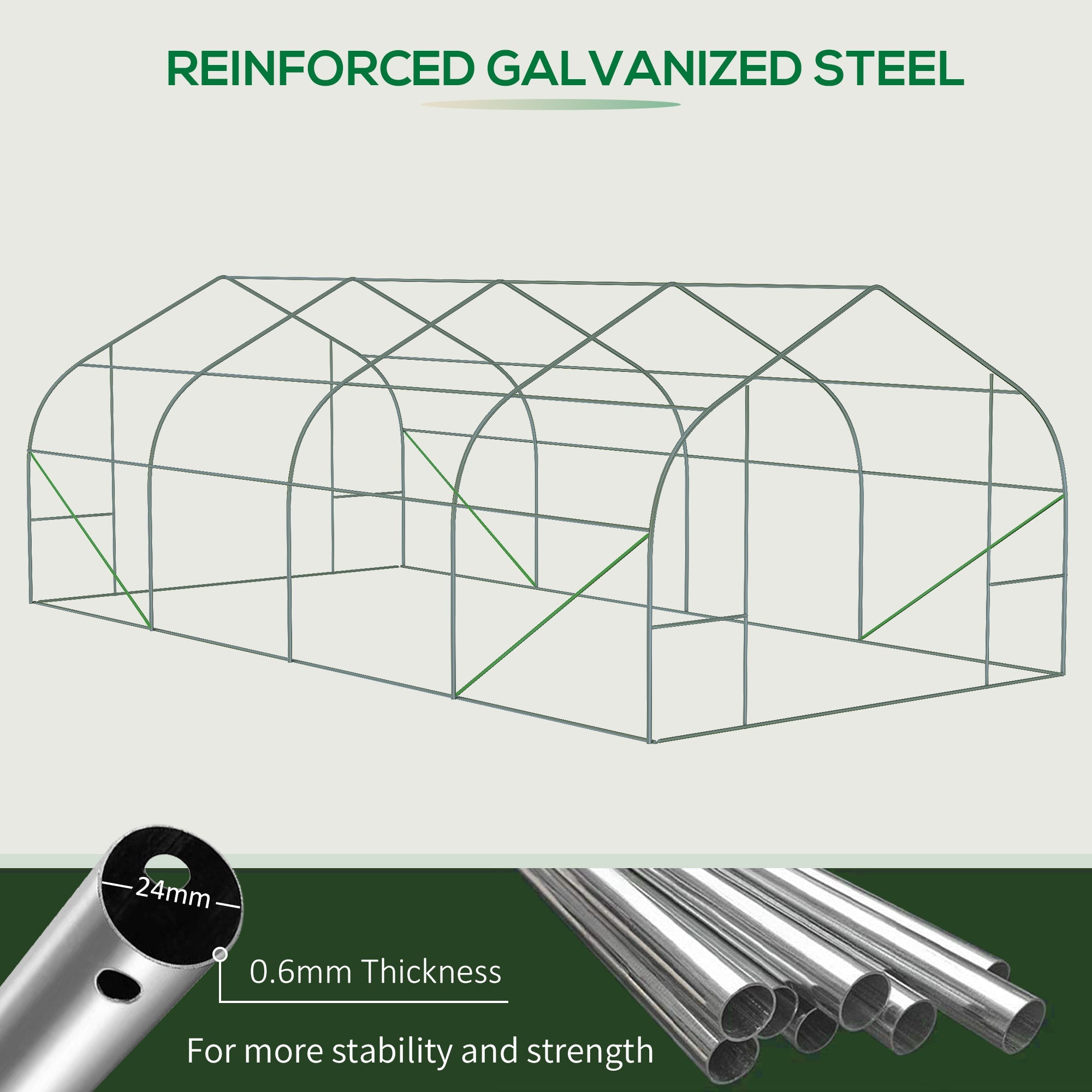
- More serious growing: The Portable Greenhouse with 6 Shelves & Roll-Up Door gives you walk-in access and room for full-size plants
- Cold climates: The Wooden Cold Frame Greenhouse provides excellent insulation for year-round growing
Step 4: Organize Your Homestead Tools
A well-organized homestead is an efficient one. Keep your tools, feed, and supplies in order with the Garden Storage Cabinet with Galvanized Top & Two Shelves — weatherproof and spacious enough for rakes, shovels, hoses, and more.
For potting, transplanting, and seed starting, the Potting Bench Table with Sink, Storage Cabinet & Hooks is a game-changer. It keeps your workspace clean and everything within arm's reach.
Urban Homestead Checklist for Beginners
- ✅ Check local ordinances for backyard chicken rules (most cities allow 3–6 hens)
- ✅ Choose a sunny spot for your garden beds (6–8 hours of sun daily)
- ✅ Set up your coop before bringing home chicks
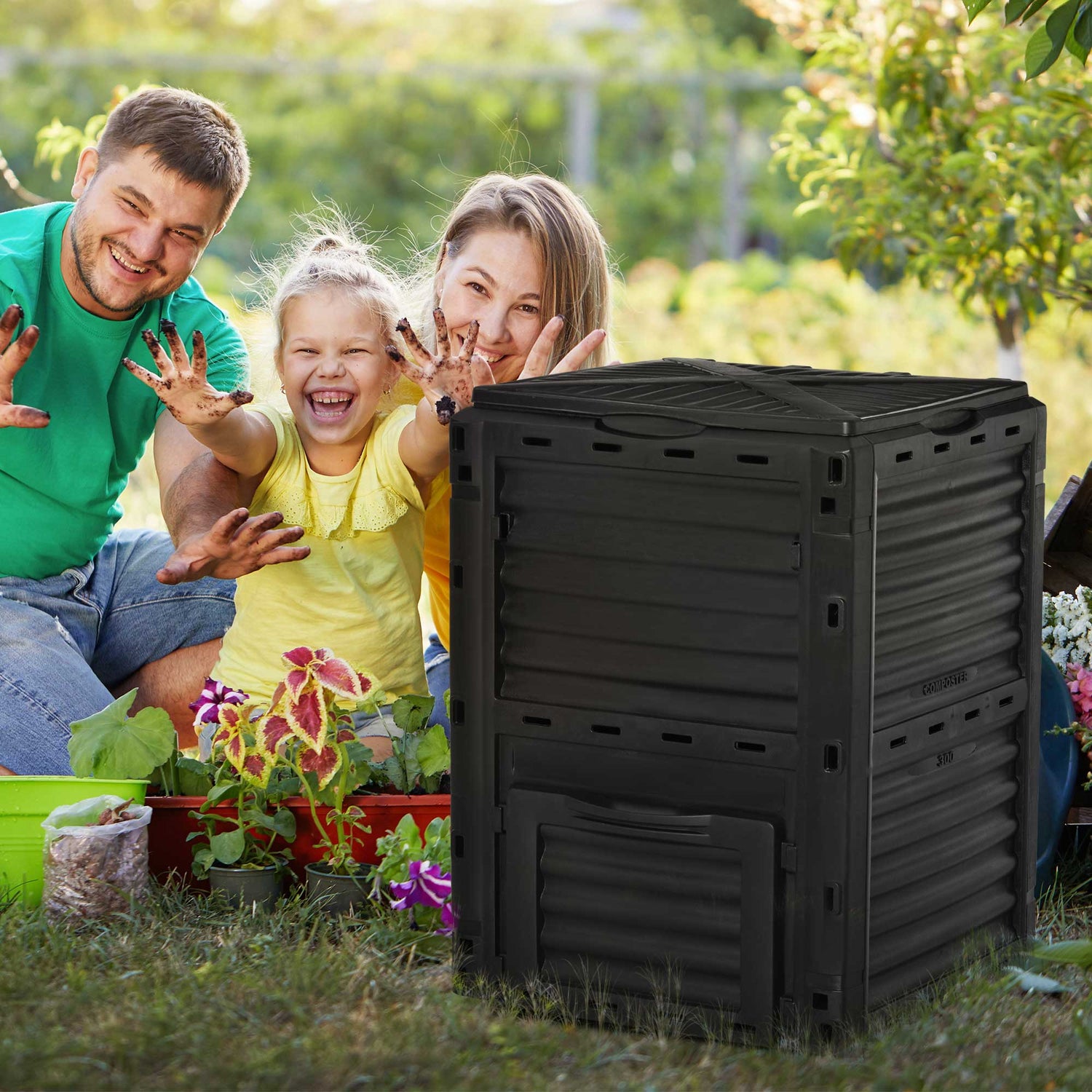
- ✅ Start a compost bin — chicken manure + garden scraps = black gold
- ✅ Plant cool-season crops first (lettuce, kale, spinach) then transition to warm-season
- ✅ Keep a simple garden journal to track what works
Frequently Asked Questions
Can I have chickens in the city?
Many cities and suburbs allow backyard hens — typically 3–6 birds, no roosters. Check your local zoning laws before getting started. Most urban homesteaders are surprised to find it's allowed!
How much space do I need to start homesteading?
You can start with as little as a 10x10 foot backyard. A small raised bed, a compact chicken coop, and a mini greenhouse can all fit in a surprisingly small space.
What's the easiest thing to grow as a beginner?
Lettuce, radishes, herbs (basil, chives, mint), and cherry tomatoes are all beginner-friendly and produce quickly. You'll be harvesting within weeks of planting.
How much do backyard eggs save you?
A flock of 4 hens can produce 20–24 eggs per week — that's roughly 1–2 dozen eggs saved from the grocery store every week, plus the satisfaction of knowing exactly where your food comes from.
Does Garden & Coops ship fast?
Yes! As an American company, we ship all orders fast and free via FedEx across the continental USA. Most orders arrive within 5–7 business days.
Ready to Start Your Urban Homestead?
The best time to start was last year. The second best time is today. Browse our full collection of chicken coops, greenhouses, raised garden beds, and garden tools — all shipped fast and free from our American warehouse straight to your door.

Leave a comment
This site is protected by hCaptcha and the hCaptcha Privacy Policy and Terms of Service apply.